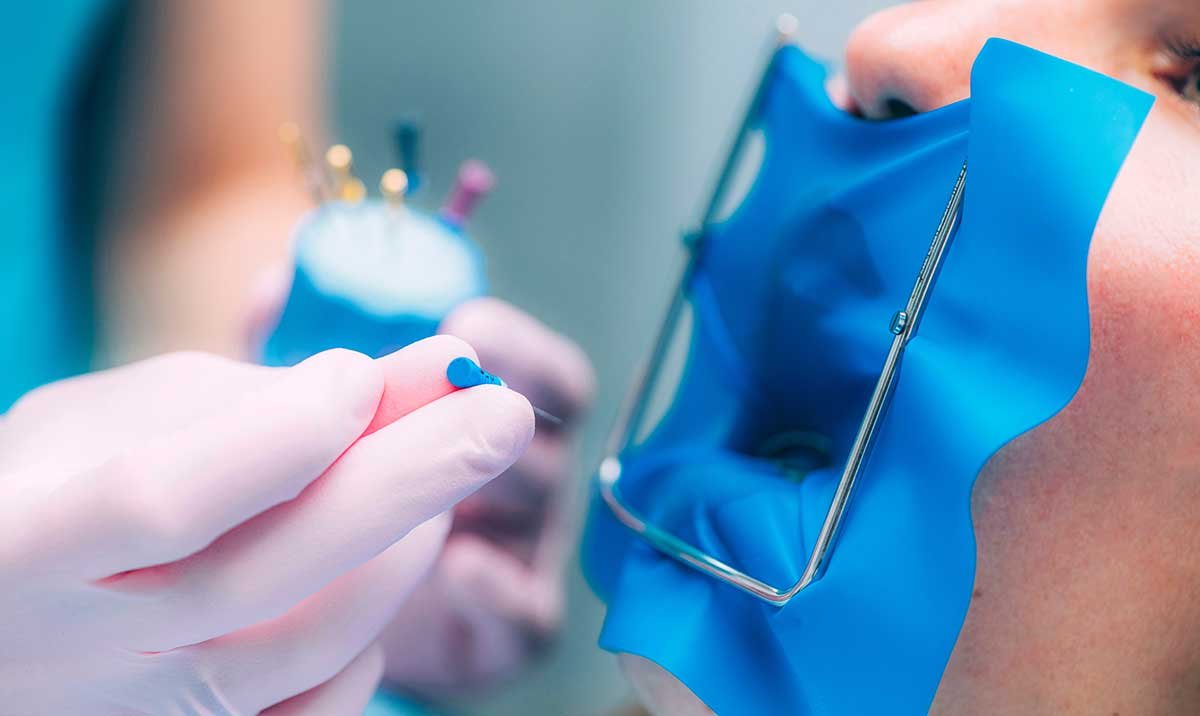
If you have recently undergone a root canal procedure, you are likely wondering about the next steps in your treatment plan. A common question among dental patients is: how long can you wait before getting a crown? You might also wonder if waiting three to six months to secure your tooth is a safe option. Understanding the clinical recommendations and the structural risks of delaying treatment is essential for preserving your oral health.
A root canal is a highly effective treatment designed to eliminate infection from the dental pulp and save your natural tooth. However, the procedure is only the first part of a two-step restorative process. Placing a permanent dental crown is what ultimately restores the tooth’s strength, function, and long-term viability.
The Recommended Timeline: How Long After a Root Canal Can You Get a Crown?
In most clinical scenarios, dentists recommend placing a permanent crown within one to two weeks after your root canal treatment. This short waiting period serves a specific purpose: it allows any post-procedure inflammation in the surrounding gum tissue and periodontal ligament to subside. It also gives your dentist the opportunity to ensure that the tooth is healing properly and is completely free of symptoms before it is permanently sealed.
For patients seeking reliable care, obtaining a timely root canal treatment in Tijuana ensures that both the therapy and the subsequent restoration are coordinated efficiently to minimize the time your tooth remains unprotected.
While a brief delay of a couple of weeks is standard, extending this period significantly increases the risk of structural failure. The exact timing depends on which tooth was treated. Front teeth, which experience less direct chewing force, may sometimes be restored with a dental filling alone. However, back teeth—such as molars and premolars—bear the brunt of your bite force and require the robust protection of a crown as soon as possible.
Can You Wait 3 to 6 Months for a Crown?
It is common for patients to search for queries like “can I wait 3 months to get a crown after root canal?” or “can I wait 6 months for a crown?” While a temporary restoration is placed immediately after your root canal to protect the access cavity, it is not designed for long-term wear. Waiting three to six months to receive your permanent crown introduces severe risks to your dental health.
The Structural Risks of Delaying Treatment
- Tooth Fracture: During a root canal, the dentist must remove the infected internal pulp, nerve tissue, and decayed dentin. This process leaves the remaining tooth structure hollow, dry, and brittle. Without the reinforcing cap of a permanent crown, the everyday forces of chewing can easily crack or split the tooth.
- Reinfection of the Root Canal: Temporary fillings are made of porous materials designed to be easily removed. Over weeks and months, these materials degrade, crack, or wash away. This allows oral bacteria and saliva to seep back into the freshly cleaned root canals, leading to a secondary infection that may require a costly repeat root canal or an extraction.
- Permanent Tooth Loss: If a root-canaled tooth fractures vertically or deep below the gumline, it cannot be saved. In these instances, the only remaining clinical option is to extract the tooth entirely.
While some patients manage to wait a few months without immediate complications, doing so is a gamble. If you must delay your permanent crown due to travel, scheduling, or budget constraints, you must consult your dentist to ensure a highly durable temporary material is placed to mitigate these risks.
Is a Crown Necessary After a Root Canal?
A frequent question is whether a dental crown is compulsory for every treated tooth. The answer depends largely on the location of the tooth and the amount of healthy structure remaining.
For molars and premolars, a crown is almost always mandatory. These teeth are responsible for grinding food and endure immense pressure. Clinical studies demonstrate that back teeth restored with crowns after root canals have significantly higher survival rates compared to those restored with simple fillings.
For front teeth (incisors and canines), a crown may not always be necessary if the tooth has sustained minimal damage. If the structural integrity of the front tooth is mostly intact, a conservative composite filling may suffice. However, if the tooth has darkened significantly due to the loss of its nerve, or if a large portion of the tooth was lost to decay, placing custom dental crowns is the best method to restore both the strength and the natural appearance of your smile.
What If the Tooth Cannot Be Saved?
There are instances where a tooth is too severely damaged by decay or a deep fracture to support a root canal and a crown. In these cases, extracting the compromised tooth and replacing it is the healthiest long-term option for your jawbone and bite alignment.
When transitioning to an implant-supported restoration, the timeline is longer than a standard crown procedure:
- Extraction and Healing: After the damaged tooth is extracted, the site typically requires three to six months to heal. A bone graft may be performed during this visit to preserve jawbone density.
- Implant Placement: Once the bone is stable, the titanium implant post is surgically placed into the jaw.
- Osseointegration: You must wait an additional three to six months for the bone to fuse with the implant post.
- Final Crown Attachment: Once fully integrated, a custom crown is secured to the implant.
Choosing high-quality dental implants in Tijuana offers a permanent, biocompatible solution that replicates the function and feel of a natural tooth when saving the original tooth is no longer viable.
Protect Your Restored Tooth
Completing a root canal is a major step toward eliminating dental pain and stopping the spread of oral infection. However, the treatment is incomplete without proper reinforcement. Leaving a root-canaled tooth unprotected for months exposes you to fractures, reinfection, and potential tooth loss.
To ensure the long-term success of your treatment, schedule your crown placement within the recommended one-to-two-week window. If you need to discuss your restorative options or require professional guidance on your treatment timeline, contact Dr. Implant Dentist in Tijuana to schedule an evaluation with our experienced team.